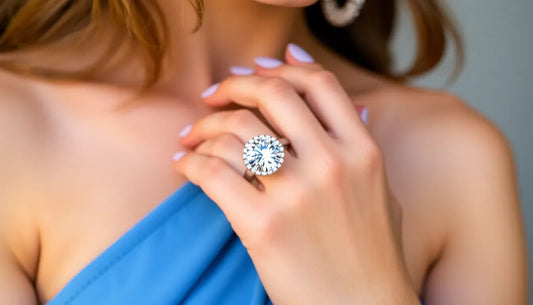
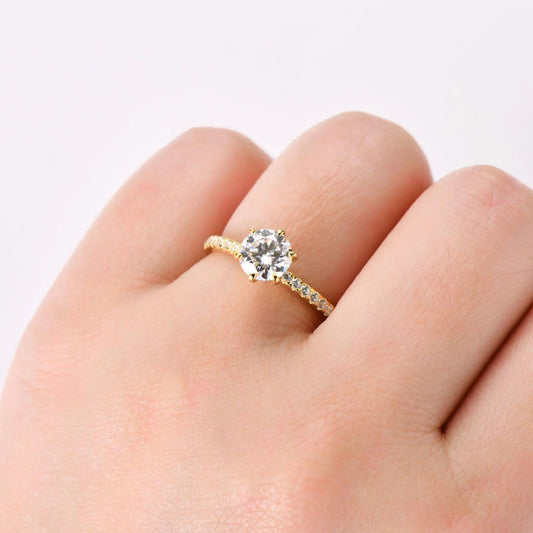
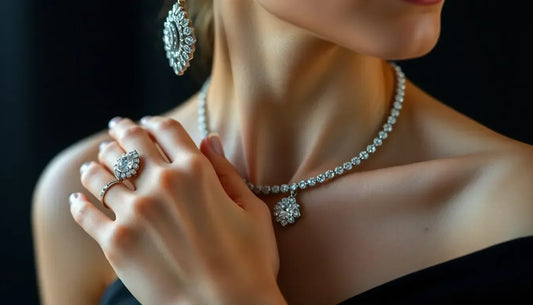
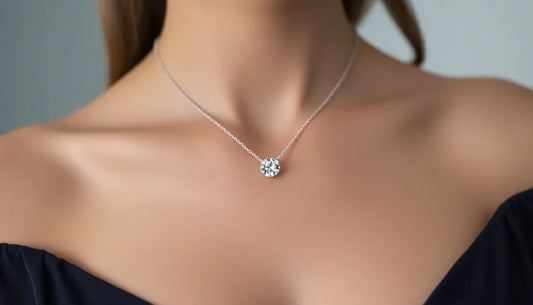
Moissanite vs Diamond Shine: The Ethical Brilliance That’s Redefining Luxury
Are you mesmerized by sparkling jewelry but wondering if there’s more to luxury than just the shine? Today, savvy buyers consider not only the dazzle of their gems but also their origins and ethics. Understanding the true difference in moissanite vs diamond shine will help you make a brilliant, conscious choice.
What Are Moissanite and Diamond?
Both moissanite and diamonds boast undeniable allure, but they come from very different beginnings. Diamonds are natural gemstones formed over billions of years under immense pressure deep within the Earth. Moissanite, in contrast, was first discovered in a meteor crater by Dr. Henri Moissan in the late 19th century. While natural moissanite is exceedingly rare, nearly all moissanite sold today is lab-created.
Diamonds grace jewelry as the traditional choice for engagement rings, necklaces, and earrings. Moissanite has surged in popularity over the past decade, capturing attention for its ethical sourcing, remarkable shine, and affordability.
The Science of Shine: Brilliance, Fire, and Scintillation
When evaluating moissanite vs diamond shine, understanding gemstone optics is key. The sparkle of a gem comes down to three factors:
- Brilliance: Refers to the white light reflected back to the eye.
- Fire: Describes flashes of colored light created when white light disperses through the stone.
- Scintillation: The pattern of light and dark areas that move as the stone or light source shifts.
How Diamonds Shine
Diamonds possess a high refractive index (2.42), which accounts for remarkable brilliance. Their specific cut and faceting maximize the return of white light, resulting in an iconic sparkle. Diamonds also have a moderate level of fire, displaying colored flashes but less so compared to some gemstones.
How Moissanite Shines
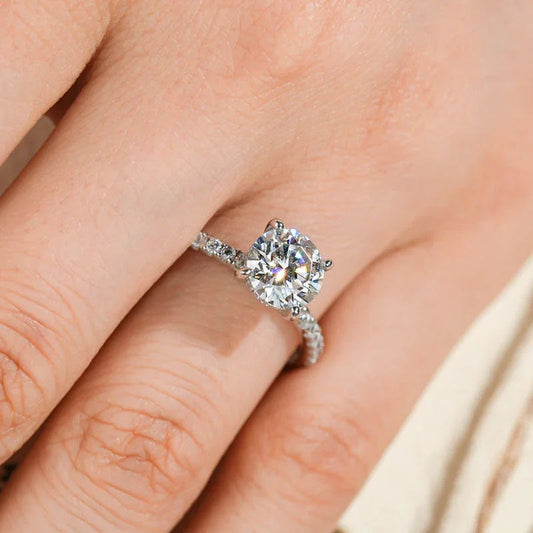
Moissanite’s refractive index is even higher (around 2.65–2.69), so it reflects more white light, creating even more noticeable brilliance. Its fiery display is exceptional—moissanite often outperforms diamonds in rainbow flashes. The difference is observable; those captivated by intense sparkle often prefer moissanite’s lively look.
Moissanite vs Diamond Shine: Side-By-Side
Many people want to know: can you really tell moissanite and diamond apart simply by their shine? Here are some points to help you distinguish:
- Moissanite emits more fire than diamonds. In certain lighting, moissanite’s rainbow flashes are pronounced, especially under sunlight or spotlights.
- Diamonds tend to show sharper brilliance, appearing more white and less "rainbow-like".
- Both stones display exceptional scintillation, but trained eyes may notice moissanite’s pattern differs slightly—its facets can appear more "crushed ice", while diamonds are more "mirrored."
- To the naked eye, both stones look stunning and closely resemble each other. Most casual observers would struggle to tell the difference unless under strong lighting or magnification.
Choosing between moissanite vs diamond shine can come down to personal preference: do you prefer a classic, crisp sparkle or a more dramatic, fiery radiance?
Ethical Luxury: Sourcing and Impact
Conscious luxury is redefining the jewelry industry. Modern buyers want their sparkle to align with their values, not just their style.
- Diamonds: Traditionally mined from deep within the earth, diamond extraction has raised ethical and environmental concerns. Issues like land disruption, carbon footprint, and potential for conflict links mean many seek transparent sourcing.
- Moissanite: Virtually all commercial moissanite is grown in labs, meaning no mining is involved. Its production typically minimizes land disturbance, carbon emissions, and deforestation. As a result, moissanite appeals strongly to those who value environmental and ethical responsibility.
Choosing moissanite is often seen as an active choice for sustainability while still enjoying glamorous brilliance.
Durability for Everyday Wear
Durability ranks high for jewelry that lasts a lifetime. Let’s see how moissanite and diamond compare:
- Diamonds: Hardest material known, rating 10 on the Mohs scale. Their incredible toughness translates to supreme scratch resistance, making them ideal for daily wear.
- Moissanite: Ranks 9.25 on the Mohs scale—second only to diamond and harder than other popular gemstones, including sapphires and rubies. Moissanite resists scratches, chips, and regular wear extremely well.
Unless your lifestyle is particularly rugged, both gems handle daily use with grace. Proper care ensures either will remain brilliant for decades.
Price and Value: Shining on Any Budget
Cost is a defining factor in the moissanite vs diamond shine debate. Here’s what to expect:
- Diamonds: Prices vary by size, grade, and source, but natural diamonds command significant investment. The price per carat increases exponentially as quality and size rise.
- Moissanite: Offers visually similar size and sparkle for a fraction of the cost. Lab creation keeps prices stable and predictable. A moissanite stone of equivalent carat size is often 80–90% less expensive than a comparable diamond.
Moissanite allows buyers to enjoy dramatic brilliance, ethical origins, and larger stones within a set budget.
Customization and Availability
If you love bespoke jewelry, both stones offer inspiration:
- Diamonds: Available in countless cuts, settings, and sizes to suit any taste, though budgets may limit size or quality.
- Moissanite: Increasingly available in all popular cuts—round, oval, emerald, cushion, and more. Some designers even create unique settings optimized for moissanite’s particular shine and fire.
With moissanite’s affordability, you might design a statement piece or intricate setting that would be cost-prohibitive with diamonds.
Moissanite vs Diamond Shine in Real Life
Online photos can be misleading. In-store lights exaggerate sparkle, jewelry displays use specialized LEDs, and high-resolution photos enhance shine. To see the real brilliance:
- Examine under multiple lighting conditions – indoor, sunlight, candlelight.
- Try on both stones. Notice the effect at different angles.
- Read reviews with unfiltered photos from real buyers. User experiences are invaluable in revealing how each stone shines daily.
Most agree that both moissanite and diamond dazzle; personal style decides which kind of sparkle is more appealing.
Resale and Long-Term Value
Part of the diamond's mystique is its use as a keepsake and potential investment. Here’s how moissanite compares:
- Diamonds: Retain resellable value, though most resale prices are lower than new due to retail markups. Certain rare stones may appreciate.
- Moissanite: While beloved for beauty and ethics, moissanite is not marketed as an investment. Its resale price is typically lower than purchase price, similar to most consumer goods.
If your main goal is an heirloom or investment, natural diamonds hold historical prestige. For those focused on appearance and ethical value, moissanite offers satisfaction without luxury mark-ups.
Popular Myths About Moissanite and Diamonds
Let’s debunk a few persistent myths to clarify your choice:
- Myth: Moissanite is a cheap imitation of diamond. Fact: Moissanite is a unique gemstone with different optical properties, not a fake diamond.
- Myth: Only diamonds have lasting shine. Fact: Moissanite maintains its brilliance and fire for decades with minimal maintenance.
- Myth: People can instantly tell moissanite apart from diamond. Fact: The differences are generally noticeable only by experts or gemologists.
Understanding moissanite vs diamond shine with facts, not assumptions, empowers buyers to make confident decisions.
Maintenance and Everyday Care
All sparkling gems benefit from regular care to maintain their best appearance:
- Cleaning: Both moissanite and diamonds can be cleaned using warm water, mild soap, and a soft brush. Both resist most household chemicals, but removing jewelry during tough cleaning tasks is wise.
- Storage: Store separately to avoid scratches from harder materials.
- Setting Security: Regardless of the stone, check prongs and settings regularly, especially on frequently worn rings.
Moissanite’s superior resistance to oil and residue buildup can make its shine even easier to maintain.
The Aesthetic Edge: What Do Jewelry Lovers Prefer?
Jewelry is about more than science—it’s about personal taste and meaning. When choosing between moissanite vs diamond shine, consider what truly moves you:
- Classic elegance: Diamonds offer time-honored appeal and sophistication.
- Modern vibrancy: Moissanite attracts those who love extra flash and ethical integrity.
Jewelry should reflect your style, values, and aspirations.
Making Your Decision: Which Gemstone Is Right for You?
Selecting between moissanite and diamond is highly individual. Consider asking yourself:
- Do I prefer subtle, crisp brilliance or dramatic, fiery flashes?
- Is ethical sourcing important in my jewelry choices?
- What is my budget for sparkling gemstones?
- Do I want a piece to pass down as an heirloom, or am I prioritizing present-day beauty and value?
There’s no wrong answer—just the right one for your unique wishes.
Conclusion
Moissanite vs diamond shine is about more than appearance—it's a reflection of values, budget, and personal taste. Whether you crave classic brilliance or bold fire, both gems offer dazzling options for every conscious jewelry lover. Explore both and savor the ethical brilliance that’s redefining luxury today.